

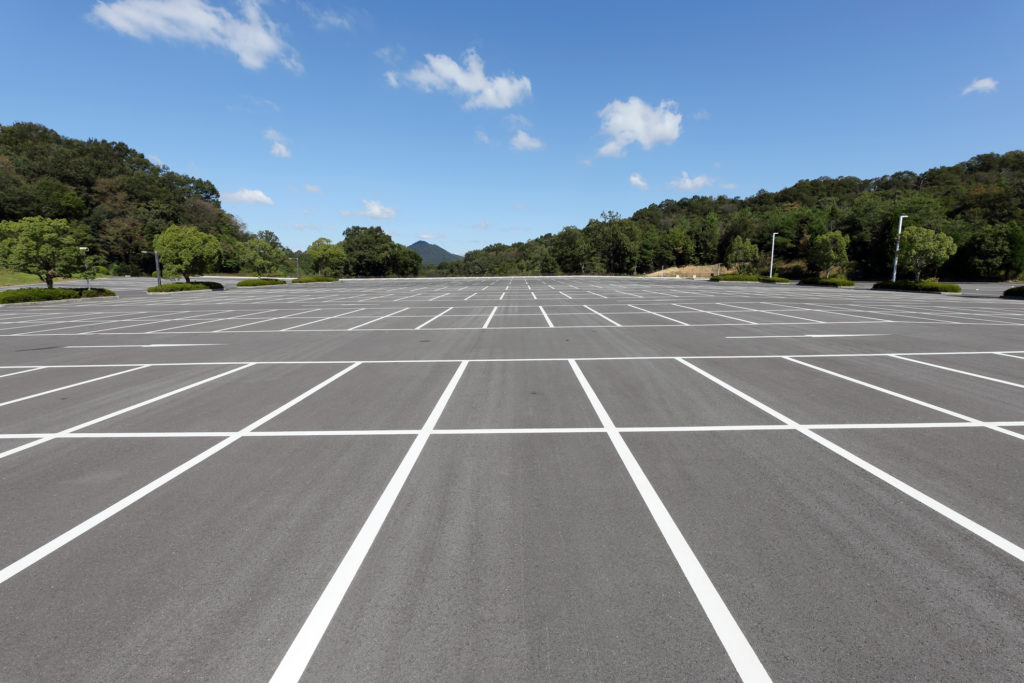
In Santa Rosa, parking lots take a beating from more than just traffic. UV exposure, winter rain, and the occasional freeze overnight all work together to open small cracks that turn into expensive pavement failures.
For commercial property owners and facility managers, routine crack sealing is one of the few maintenance steps that clearly reduces long-term costs and risk. It matters even more here in Sonoma County, where older asphalt, mixed-use developments, and busy corridors like Santa Rosa Avenue and Mendocino Avenue see constant wear.
Below, we break down the key benefits and how different industries can approach crack sealing the right way.
Key Takeaways
- Routine crack sealing significantly reduces long-term asphalt repair costs for Santa Rosa commercial properties.
- Safety, liability control, and professional appearance are major benefits across retail, office, and industrial industries.
- Santa Rosa’s climate makes flexible, properly applied crack sealants especially important.
- Industry-specific traffic patterns and operations should guide both scheduling and provider selection.
Reduced Long-Term Pavement Repair Costs
Small cracks allow water to penetrate the base layers of asphalt, which is a common issue during Santa Rosa’s rainy season from late fall through early spring.
Once moisture gets under the surface, alligator cracking and potholes follow, especially in older lots near downtown and along Highway 101 access points. Routine crack sealing is a low-cost maintenance item compared to full-depth patching or resurfacing.
For retail centers, medical offices, and industrial yards, this preventive approach helps extend pavement life and stabilizes capital planning over multiple budget cycles.
Improved Safety and Liability Control
Uneven or cracked pavement creates trip hazards and vehicle damage risks, which can quickly become liability issues for commercial properties.
In high-traffic environments like grocery stores, office parks, and hospitality sites near Sonoma County Airport, even minor cracks can draw complaints or claims. Crack sealing smooths transitions and keeps water from undermining surface stability.
This supports safer pedestrian paths and driving lanes, which is especially important for properties that must demonstrate reasonable maintenance practices during inspections or insurance reviews.
Better Appearance and Tenant Confidence
First impressions matter, particularly for customer-facing industries such as retail plazas, restaurants, and auto dealerships along corridors like Fourth Street and College Avenue.
Visible cracks signal deferred maintenance, even if the building itself is well managed. Routine crack sealing keeps pavement looking uniform and cared for, which reinforces tenant confidence and supports leasing efforts.
For property managers overseeing multiple sites in Santa Rosa and nearby Rohnert Park, consistent pavement appearance also helps standardize maintenance expectations across the portfolio.
Protection Against Local Climate Stress
Santa Rosa’s climate creates a specific challenge for asphalt. Hot summer days cause pavement expansion, while cool nights and winter moisture lead to contraction and water intrusion. Over time, this cycle widens untreated cracks.
Crack sealing materials are designed to flex with these temperature changes, protecting the asphalt structure underneath. Industries with large surface areas, such as warehouses, logistics facilities, and school campuses, benefit significantly because climate-related deterioration scales quickly with square footage.
How to Choose the Right Parking Lot Crack Sealing Schedule and Provider for Your Industry
Choosing the right crack sealing approach is not one-size-fits-all. The most effective maintenance plans take into account how your property is used, when work can realistically be performed, and who is responsible for executing it.
Before committing to a schedule or contractor, Santa Rosa businesses should consider the following factors.
Evaluate Traffic Patterns and Load Types
Different industries stress asphalt in different ways. Light vehicle traffic at office complexes in Bennett Valley requires a different crack sealing schedule than heavy delivery traffic at industrial sites near the Santa Rosa Industrial Center.
Evaluating daily traffic counts, delivery schedules, and vehicle weights helps determine how often crack sealing should be performed. High-load areas may need annual inspections and more frequent sealing, while lower-impact sites may operate on a longer maintenance cycle without sacrificing pavement health.
Align Maintenance Timing With Operations
Crack sealing is most effective when applied under the right temperature and moisture conditions, which in Santa Rosa typically means late spring through early fall.
For commercial properties, timing also needs to account for business operations. Retail centers may prefer overnight or phased work to maintain customer access, while office parks can schedule work over weekends.
Choosing a provider that understands local permitting requirements and traffic control standards in Sonoma County helps keep projects compliant and minimally disruptive.
Verify Materials and Application Methods
Not all crack sealants perform the same, especially under Northern California conditions. Rubberized, hot-applied sealants are commonly used because they flex with pavement movement and resist water intrusion during heavy rain events.
Industries with strict compliance needs, such as healthcare facilities or municipal properties, should confirm that materials meet relevant industry standards and that application methods follow manufacturer specifications. Proper preparation, including routing and cleaning cracks, is critical to achieving long service life.
Work With a Provider Experienced in Commercial Assets
Commercial crack sealing requires more than basic equipment.
Providers should understand ADA access considerations, striping coordination, and the sequencing needed for large or multi-tenant properties. In Santa Rosa, this also means familiarity with local inspection expectations and coordination with property management teams.
An experienced commercial asphalt contractor can help develop a multi-year maintenance plan that aligns crack sealing with sealcoating and future capital improvements, reducing surprises and downtime.
Schedule Commercial Crack Sealing With Confidence
Cracks rarely fix themselves, and in Santa Rosa’s climate, they only grow more costly over time. Routine crack sealing is one of the most effective ways to protect commercial asphalt and control long-term maintenance spend.
At Sikes Asphalt Group, Inc., we help facility managers, property owners, and asset managers identify the right crack sealing strategy for their industry and site conditions. If you want a clear maintenance plan, realistic scheduling, and work that fits your operations, let’s talk about next steps and get your pavement evaluated before minor cracks turn into major repairs.
Frequently Asked Questions
How often should our commercial property in Santa Rosa have crack sealing done?
For most commercial lots, inspections should happen annually, with crack sealing typically needed every one to two years, depending on traffic and pavement age. Heavier-use sites near Highway 101 or industrial zones may require more frequent attention to stay ahead of water intrusion.
Does crack sealing require permits or inspections in Sonoma County?
Crack sealing itself usually does not require a building permit, but traffic control and access management must comply with local regulations. Coordination with the City of Santa Rosa and adherence to ADA access requirements during work are part of responsible commercial project planning.
How long does crack sealing take for a typical commercial parking lot?
Most commercial crack sealing projects can be completed in one day, with cure times ranging from a few hours to overnight, depending on materials and weather. Proper scheduling allows lots to reopen quickly without compromising performance.
Can crack sealing be coordinated with other asphalt maintenance work?
Yes, crack sealing is often scheduled ahead of sealcoating or restriping to maximize results. Integrating these services into a single maintenance plan helps control costs and reduces repeated disruptions for tenants and customers.